How to Prune Trees for Storm Safety Around Your Home
Why Storm Prep Pruning Matters Near Roofs and Walkways
When a storm rolls in, the trees around your house become a real concern. Strong winds can turn a healthy branch into a projectile, and a heavy limb landing on a roof or walkway can cause serious damage. Storm prep pruning is the practice of reducing that risk by removing weak or poorly placed branches before bad weather arrives. It is not about cutting back every tree until it looks like a stick; it is about making smart, targeted cuts that improve safety while keeping the tree healthy. For homeowners in Dallas, GA, where summer storms can come up fast, a little planning with pruning goes a long way.
This article walks through a practical checklist of things to look for when you are inspecting trees near your home. Each point explains what to check and why it matters for storm safety. The goal is to help you see potential problems before they become emergencies. If you spot something that looks risky but you are not sure how to handle it, a local professional like Tree Service Dallas GA can assess the situation and carry out the work safely.
Check for Dead or Dying Branches
Dead branches are the most obvious hazard. They have no living tissue to hold them in place, so even a moderate gust can snap them off. A dead branch that falls onto a roof can punch a hole through shingles or tear gutters loose. On a walkway, it can injure someone or block a path when you need to get out quickly.
Look for branches that have no leaves in season, bark that is peeling away, or wood that looks brittle and cracked. Sometimes a whole limb is dead; other times just a section near the tip. If you can reach the branch safely, give it a gentle tug. A dead branch often feels loose at the base. Mark any dead wood you find so you can have it removed before the next storm. Removing dead branches is one of the simplest and most effective steps in storm prep pruning.
Evaluate the Crown Structure
The crown of a tree is the whole mass of branches and leaves at the top. A tree with a balanced crown can handle wind much better than one with a lopsided or crowded canopy. When the crown is uneven, heavy limbs on one side put stress on the trunk and roots. In a storm, that imbalance can cause the whole tree to lean or even fall.
Stand back and look at the tree from a few different angles. Does it look roughly symmetrical? Are there two main trunks that form a narrow V shape? That V crotch is a weak point where bark can get trapped between the trunks, and it often splits under wind load. Structural pruning can help by removing one of the trunks or by thinning out heavy limbs on the dominant side. This kind of work is best done by someone who understands how a tree grows, because cutting the wrong branch can make the problem worse rather than better.
Look for Branches Overhanging the Roof
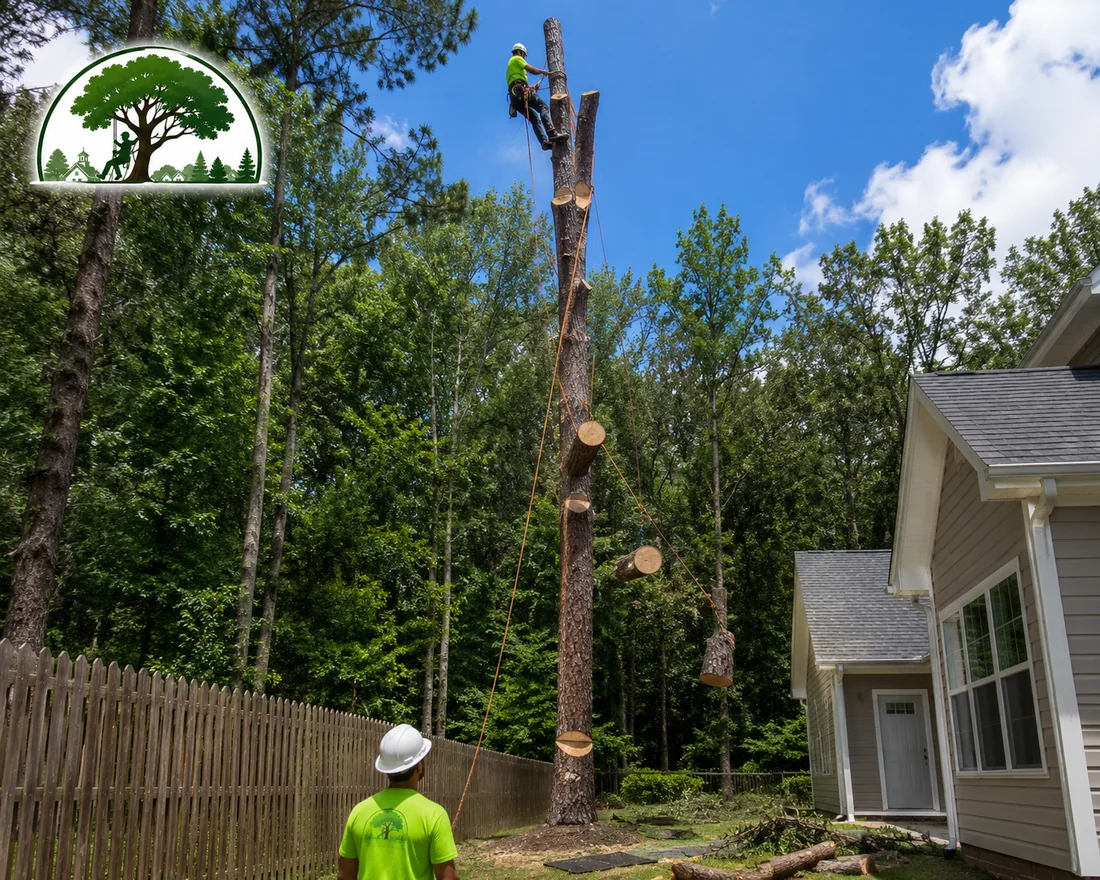
Branches that hang directly over the roof are a special concern. During a storm, wind can whip them back and forth, scraping against shingles or metal roofing. Over time, that rubbing wears down the protective layer and can lead to leaks. If a branch breaks, it lands right on the roof, often with enough force to cause structural damage.
Clearance pruning is the term for cutting back branches so they no longer extend over the house. A good rule of thumb is to keep branches at least six to ten feet away from the roof line, though the exact distance depends on the size of the branch and the type of tree. When you prune for roof clearance, always cut back to a lateral branch or to the trunk, never leave a stub. Stubs invite decay and can become a new hazard later. For branches too high to reach safely, call a professional. They have the equipment and experience to work around power lines and steep roof pitches without putting themselves or your home at risk.
Inspect Branches Near Walkways and Driveways
Walkways and driveways are where people and cars move every day. A low-hanging branch might be fine in calm weather, but in a storm it can be pushed down by wind or rain and hit someone on the head. Even if it does not break, a branch that sways low over a path can be a tripping hazard when debris is flying around.
Check any branches that hang below eight feet over a walkway or driveway. That is the standard clearance height for pedestrian paths. If a branch is lower than that, consider raising the crown by removing the lower limbs. This is sometimes called crown raising, and it is a routine part of tree maintenance. When you raise the crown, you also let more light and air through, which can help keep the tree healthy. Just do not remove too many lower branches at once; the tree needs some foliage on the lower part to stay balanced.
Watch for Cracks and Splits in Major Limbs
A crack in a large limb is a warning sign that the branch is under stress. It might have started from a previous storm, from a bad pruning cut, or simply from the weight of the branch itself. Once a crack opens, it can grow with each wind event until the limb fails completely. A major limb falling on a roof can be a disaster, and even a smaller one can block a walkway when you need to get out of the house quickly.
Walk around the tree and look at the base of each large branch where it attaches to the trunk. That area, called the branch collar, is where cracks often start. If you see a crack that runs deep into the wood, or if the bark is split and peeling, that limb is a candidate for removal. Do not try to cut a cracked limb yourself if it is large or if the crack is under tension. A limb under tension can spring back or fall in an unpredictable direction. That is a job for a professional who can use ropes and rigging to lower the limb safely.
Clear Away Weak or Crossing Branches
Sometimes a tree has branches that rub against each other. The constant friction wears away the bark and creates an entry point for insects and disease. Over time, the rubbing weakens both branches, making them more likely to break in a storm. Crossing branches also create a tangle that can catch wind and put extra stress on the tree.
Look for branches that cross or rub, especially in the upper part of the crown. Remove the weaker of the two, cutting it back to its point of origin. This kind of thinning improves the tree's overall structure and lets wind pass through the canopy more easily. A tree that offers less resistance to the wind is less likely to lose large limbs during a storm. Thinning is different from topping, which is the harmful practice of cutting branches back to stubs. Never top a tree; it creates weak regrowth and makes the tree more dangerous over time.
Check the Condition of the Trunk and Roots
The trunk and root system are the foundation of the tree. If they are compromised, no amount of branch pruning will make the tree safe. Look for signs of decay on the trunk, such as fungal growth, soft spots, or hollow areas. A tree with a hollow trunk may still be standing, but it has lost much of its strength and could fail in a high wind.
At the base of the tree, check for exposed roots, soil heaving, or roots that are circling the trunk. These issues can indicate that the tree is not anchored well. If the ground around the base is cracked or raised, the tree may have started to lean. A leaning tree is not always a danger; some trees grow with a natural lean and are perfectly stable. But a lean that has appeared recently, or that is getting worse, is a sign that the roots are losing their grip. A professional arborist can evaluate whether the tree can be saved or if removal is the safer option.
Plan Your Pruning Around the Season
Storm prep pruning is most effective when it is done at the right time of year. For most trees, late winter or early spring is ideal because the tree is dormant and the structure is easy to see without leaves. Pruning during dormancy also reduces stress on the tree and lowers the risk of insect infestation at the cut site. However, if you spot a hazard branch in the middle of summer, do not wait until winter to remove it. A dangerous limb should be dealt with as soon as you notice it, regardless of the season.
If you are planning ahead, aim to do your major pruning work in late winter. That gives the tree a full growing season to seal the cuts before the next round of storms. For light maintenance like removing dead twigs or clearing a low branch over a walkway, you can do that any time of year. Just avoid pruning during a drought or when the tree is under other stress, because the tree needs energy to heal.
When to Call a Professional
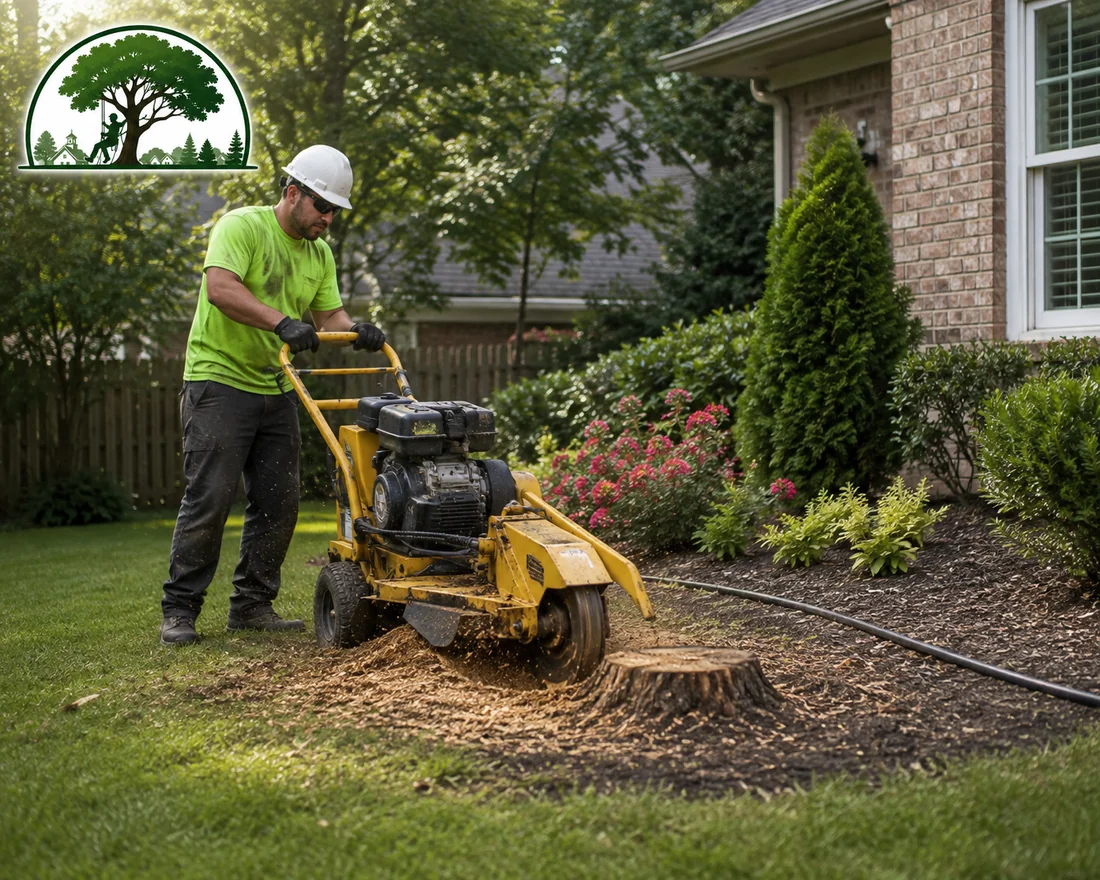
Some pruning jobs are straightforward and can be done by a homeowner with a hand saw and a little care. But many of the tasks on this checklist involve heights, heavy limbs, or tricky cuts near the house. If you are not comfortable on a ladder, if the branch is thicker than your arm, or if it is close to a power line, leave it to a professional. A service like Tree Service Dallas GA has the training and equipment to handle those situations without putting anyone at risk. They can also spot problems that an untrained eye might miss, such as a hidden crack or a root issue that is not obvious from the surface.
Remember that pruning is not just about removing branches; it is about tree health. A bad cut can leave a tree vulnerable to disease and decay, which creates new hazards down the road. A professional arborist knows how to make cuts that heal properly and how to balance safety with the long-term wellbeing of the tree. Spending a little on good pruning now can save you from a much bigger expense later, not to mention the peace of mind that comes from knowing your trees are ready for whatever the weather brings.